
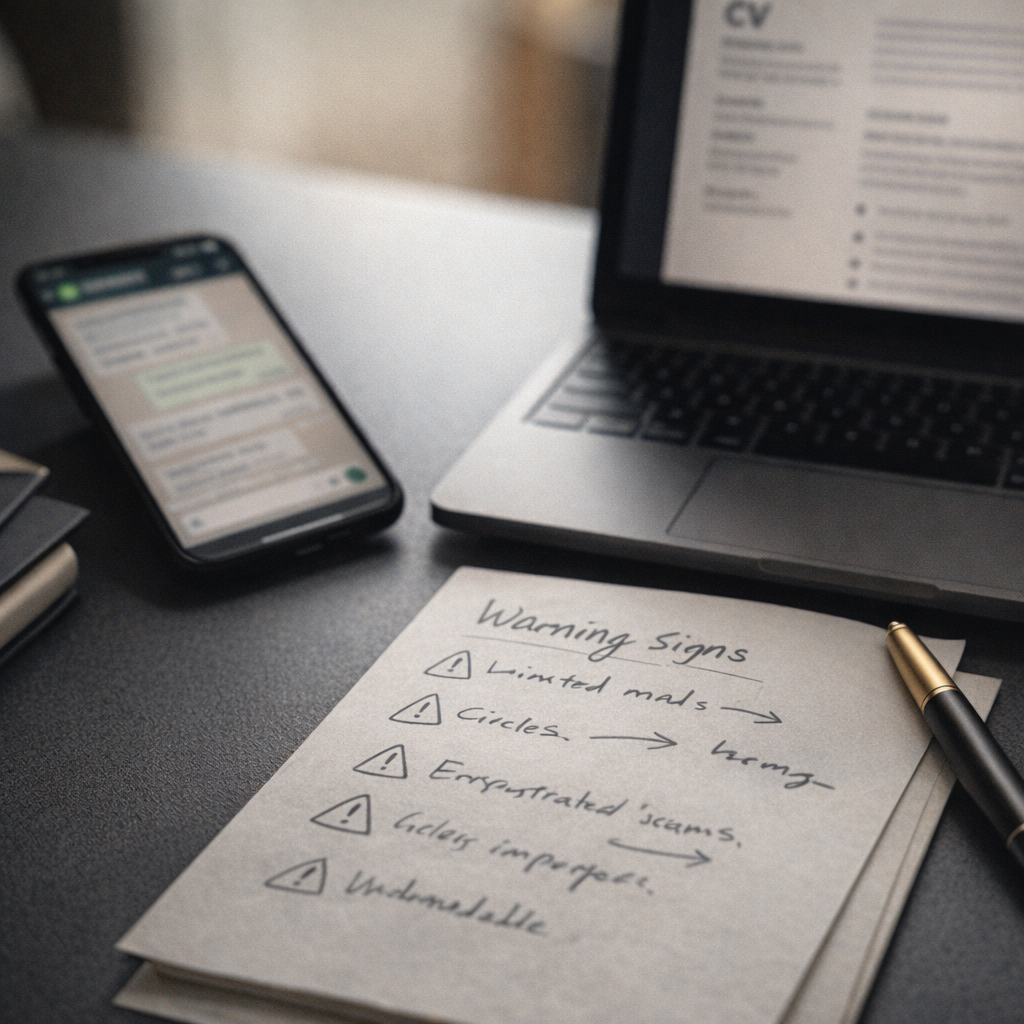
Beware of WhatsApp Job Offers
Beware of WhatsApp Job Offers and Fake DWP Payment Scams
📱 Scam messages are becoming more convincing and more personal. Fake job offers sent via WhatsApp and fraudulent Department for Work and Pensions payment texts are catching people out every day.
Understanding how these scams work is the first step to avoiding them.
⚠️ The WhatsApp Job Offer Scam
You receive a message or call claiming to represent a recruiter. The message is short, vague, and asks you to move the conversation to WhatsApp to discuss a job opportunity.
Once contact is made, the scammer often promises easy work, flexible hours, and quick payment. They may ask for personal details or request small payments to release earnings.
None of this is legitimate.
📵 Fake DWP Payment Messages
Another common scam claims you are owed a government payment or benefit refund. The message includes a link and urges you to act quickly to avoid losing the money.
These links usually lead to fake websites designed to steal personal information, bank details, or login credentials.
📌 The real DWP does not send payment links via text message.
🧠 Why These Scams Work
These scams rely on urgency and familiarity.
Job offers appeal to financial pressure, while government‑branded messages carry authority. When people are busy or distracted, it is easy to react without stopping to question the message.
Scammers depend on speed — not scrutiny.
✅ How to Protect Yourself
- Do not respond to unsolicited job offers on WhatsApp
- Never click links in unexpected government messages
- Do not share personal or financial details via text or chat apps
- Visit official websites directly instead of following links
- Report scam messages and block the sender
🔐 Why This Matters for Businesses Too
These scams do not only target individuals.
Staff who fall for them can expose company systems, credentials, or sensitive information. One compromised account can quickly become a wider security incident.
Basic cyber awareness training helps teams recognise and stop these threats before damage is done.
🛑 Final Thoughts
Scams are becoming more polished, but the warning signs remain the same.
Unexpected messages, pressure to act quickly, and requests for personal information should always raise concerns.
Taking a moment to pause, check, and verify can prevent financial loss, identity theft, and wider security issues.
Awareness remains one of the strongest defences.